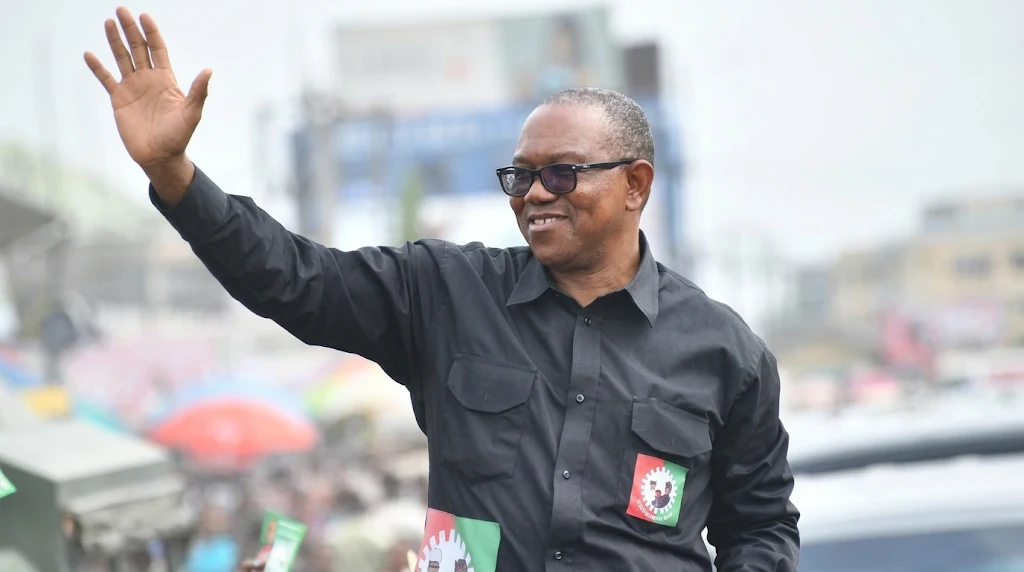
The pledge follows a mid-morning attack on Thursday in Lagos, where men armed with machetes, axes, sticks, and clubs stormed a town hall gathering organized for Nigeria Democratic Congress (NDC) presidential candidate Peter Obi. Supporters and journalists covering the event in Africa's most populous nation were forced to flee as assailants barged into the hall and vandalized vehicles.
Rather than scaling back operations ahead of the high-stakes vote—in which incumbent President Bola Tinubu is seeking a second term—Obi's camp has framed the unrest as a test of democratic resilience. NDC spokesperson Osa Director insisted that intimidation would not derail the party's participation in the election, directly accusing the ruling All Progressives Congress (APC) of orchestrating the violence after a string of alleged venue cancellations.
The ruling party swiftly pushed back against the allegations. APC spokesperson Felix Morka dismissed the accusations as baseless and challenged the opposition to produce concrete evidence linking the governing party to the thugs.
The Lagos incident underscores mounting security concerns across Nigeria's political landscape as campaigning enters its final stretch. Just days earlier, Obi's convoy—traveling alongside his running mate, former Kano State governor Rabiu Kwankwaso—came under attack in Calabar, Cross River State, prompting police to arrest a suspect and warn against political intolerance.
As candidates crisscross the country ahead of January's ballot, observers warn that curbing localized political violence will be critical to ensuring a credible election.