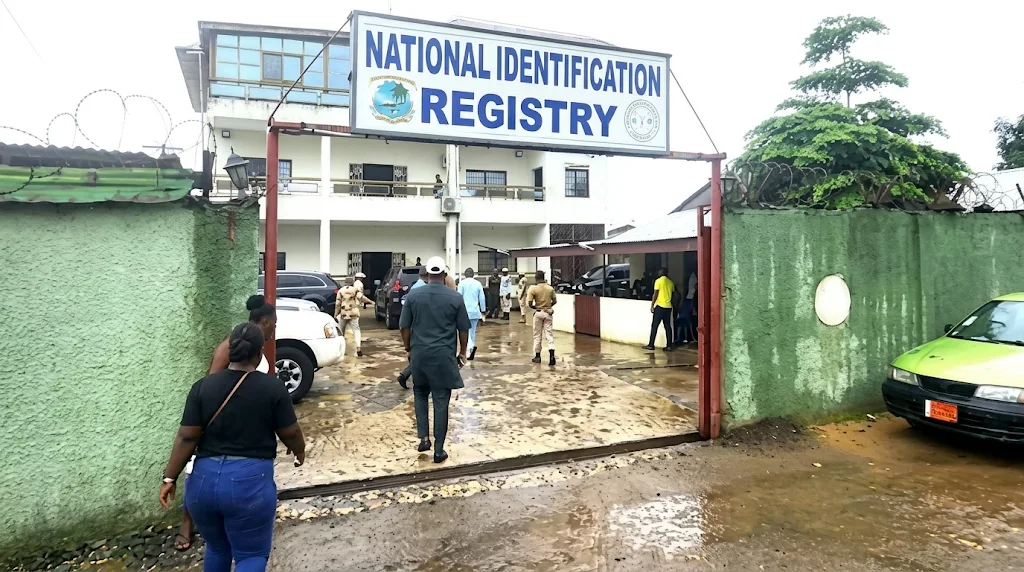
The National Identification Registry’s proposed system is intended to hold identity and civil registration information for up to 10 million people. That is an enormous responsibility. Biometric identifiers and personal records are not ordinary government files. They can be used to verify identity and access essential services, but if compromised or improperly accessed, they can expose individuals to identity theft, impersonation, fraud and other forms of abuse.
The government has maintained that ownership and control of citizens’ data will remain with Liberia. NIR officials have also said that the information will be stored within the country. Those assurances matter, but they are not the end of the discussion. The public deserves to know what the agreement specifically guarantees: Who will have administrative access? Who controls the encryption keys? Can foreign technical personnel access records remotely? What independent security audits will be conducted? Who is legally and financially responsible if information is compromised?
These are not allegations that a breach has occurred. They are essential questions that should be answered before a system holding the identity records of millions of people is entrusted to any operator.
The hearings have also exposed another important issue: the position of Liberian technology companies that say they were not given a fair opportunity to compete.
Representatives associated with MWENTANA Consulting and Technology Group, Professional Services Inc. and the Liberian Information Technology Consortium (LITCON) have told lawmakers that local firms possess relevant experience and technical capacity. They argue that an open competitive process would have allowed them to demonstrate what they could deliver, either independently or through partnerships.
Their claims deserve serious examination. NASSCORP Director General Dewitt Von Ballmoos told lawmakers that his institution has operated a locally developed biometric system serving approximately 500,000 workers. Local technology representatives also cited experience in biometric systems, database management and international projects. These examples do not automatically establish that a local consortium can deliver every component of the proposed national system, but they challenge any assumption that Liberian firms should be excluded without a transparent technical assessment.
The question, therefore, is not whether Liberia should reject foreign expertise. International companies can bring financing, specialist technology and experience. The question is why a project of this national importance was not subjected to a process that clearly demonstrated whether qualified Liberian companies, international firms or a combination of both could provide the best value and strongest safeguards.
A competitive process could have assessed different proposals, compared costs, tested technical capacity and encouraged partnerships between foreign specialists and domestic companies. It could also have required meaningful technology transfer, local employment, training and a gradual transfer of operational responsibilities to Liberian professionals.
There is a wider economic consideration. A national digital identity system will require years of maintenance, upgrades, cybersecurity monitoring, technical support and integration with other public institutions. If Liberian companies are excluded from these functions, the country risks creating long-term dependence on an external provider. If they are meaningfully involved, the same investment could help develop a domestic technology industry and strengthen national capacity.
The financial structure also deserves public scrutiny. Reports on the proposed agreement have raised questions about revenue-sharing arrangements, including a reported 65-to-35 division of certain proceeds in favour of the concessionaire. The government should explain the basis of those terms, the services and revenues covered, and how the arrangement compares with alternative financing and procurement models.
Ultimately, Liberia needs a reliable national identification system. But the urgency of expanding enrolment should not remove the need for transparency, competition and strong data protection.
The Legislature should therefore examine not only whether the proposed concession can finance and deliver the system, but also whether it protects citizens’ information, provides value for money, develops local expertise and leaves Liberia with the practical ability to operate and secure its own national identity infrastructure. A national identity system must identify the people of Liberia. Its governance, security and long-term benefits must also remain accountable to the people of Liberia.
Beyond the Headlines, this is the Bigger Picture.